Activating Dark Mode on Snapchat Made Easy
Intro
As we sink deeper into the digital age, the aesthetics and usability of apps have become paramount. One such transformation has been the introduction of dark mode across social media platforms, including Snapchat. Many users have found this feature not only visually pleasant but also easier on the eyes, especially during late-night scrolling sessions.
In this guide, we will delve into how you can activate dark mode on Snapchat, whether you're using an iOS or Android device. We will also touch upon the various advantages of this feature and address a few common hurdles users may face while trying to enable it. By the end of this article, you'll have a well-rounded understanding of dark mode settings in Snapchat, making this transition smooth and functional.
Prologue to Dark Mode
In today's digital landscape, the spotlight shines on how user interfaces can impact our experiences with apps. One feature making waves among users is Dark Mode. It’s not just a trend; it’s a crucial element that speaks to comfort, energy conservation, and even aesthetic preference. This feature is particularly relevant in applications like Snapchat, where visual content reigns supreme. The importance of understanding Dark Mode extends beyond mere functionality; it significantly enriches the way users interact with their favorite platforms.
Understanding Dark Mode
Dark Mode is a display setting that alters the usual bright background of apps to a darker shade. This adjustment helps in reducing the intense glare that screens can often emit, especially in low-light settings. Essentially, it flips the script, providing a contrasting background that can lessen the strain on your eyes. But it doesn’t just stop there. Users often find that dark themes contribute to a more immersive experience, letting vibrant colors and images pop in a visually appealing manner. This setting also complements nighttime use, allowing users to engage without disrupting their natural circadian rhythms.
Importance of Dark Mode in Digital Applications
The relevance of Dark Mode transcends aesthetics; it ties into health and efficiency considerations. Notably, here are some key aspects to consider:
- Eye Comfort: Continuous exposure to bright screens can lead to digital eye strain, manifesting as fatigue, discomfort, or even headaches. Dark Mode shields users from such issues.
- Battery Efficiency: For devices with OLED screens, dark mode can significant cut down on power usage since darker pixels require less energy.
- Enhanced Focus: With less glare, it becomes easier to concentrate on content, fostering deeper engagement with social media narratives, particularly for visually-driven platforms like Snapchat.
As users shift towards more visually interactive applications, the significance of Dark Mode becomes even clearer. It’s not merely an addition; it’s a necessity that enhances digital lifestyles.
Snapchat and its User Experience
When it comes to social media, every platform aims to create an environment that not only caters to its audience but also enhances user interaction. Snapchat, known for its ephemeral content and engaging filters, holds a unique position among these platforms. Its user experience is crafted through a combination of vibrant visuals, intuitive navigation, and interactive features, but there’s much more beneath the surface.
The very essence of Snapchat is its approach to immediacy and spontaneity, allowing users to capture fleeting moments and share them in real time. With a focus on storytelling through photos and videos, Snapchat thrives on connecting users in a personal and engaging manner. However, as more individuals spend extended periods on apps, the need for a comfortable viewing experience cannot be overlooked. This leads us into the pressing topic of dark mode.
Overview of Snapchat's Interface
Snapchat's interface is generally characterized by its distinctive layout. Users navigate through a simplistic and dynamic design, where the camera serves as the primary interaction point. Upon opening the app, the camera is front and center, inviting users to snap a photo or video immediately. This deliberate emphasis on immediacy helps to create an ease of use that many appreciate. However, while the interface can be hailed as engaging and user-friendly, it also presents certain challenges, especially against the backdrop of prolonged usage.
The home screen showcases a myriad of features such as Stories, Discover, and Chats, all displayed with vibrant colors and shifting graphics. Yet, this brightness can have an overpowering effect on the eyes, particularly in low-light environments. The white background and vibrant interfaces, despite being visually appealing, can quickly lead to discomfort after extended use, prompting users to explore alternatives, such as dark mode, to mitigate strain.
Challenges of the Current Light Mode
Light mode, as the standard display for Snapchat, while attractive, does have its downsides.
- Eye Strain: One of the most glaring issues of light mode is the level of brightness emitted from screens during night use, which can be particularly harsh on the eyes. Users often find themselves squinting or adjusting their brightness settings in desperate attempts to combat glare. This ongoing adjustment can lead to fatigue and headaches over time.
- Battery Drain: Particularly for smartphones with OLED screens, the bright white backgrounds tend to consume more battery than darker themes. This can be a bit troublesome for users who depend heavily on their devices throughout the day.
The key takeaway here is that although light mode serves its primary function well, users are increasingly looking for alternative solutions to enhance their overall experience.
Steps to Enable Dark Mode on Snapchat
Activating dark mode on Snapchat opens avenues to a more comfortable and enjoyable user experience. As we dive into the specifics of how to enable this feature, it's crucial to consider user accessibility, said comfort for extended use, and personal preferences in design aesthetics. Dark mode generally reduces glare from screens, allowing for prolonged interaction without the discomfort light mode might cause. This section outlines all necessary steps for both iOS and Android users, ensuring everyone can take full advantage of this feature in their Snapchat experience.


For iOS Users
Accessing App Settings
The pathway to enabling dark mode for iOS users begins with Accessing App Settings. This step is not just about tapping a few buttons but essentially serves as the gateway to customizing one's Snapchat experience. It’s worth noting that navigating to the settings is fairly intuitive; this makes it an appealing choice for users of varying tech skills.
When you open Snapchat, look for the profile icon in the top-left corner and tap it. From there, proceed to the gear icon which signifies settings. This straightforward approach is fundamental and allows users to descend into deeper configuration options, tailoring the app to better meet their needs. However, while the structure is user-friendly, lacking clarity on certain features often leaves users puzzling over their actual significance.
Adjusting Display Options
Next up is Adjusting Display Options. This is where the excitement builds as you transition your Snapchat interface into the dark mode. Within the settings, you’ll find an option specifically labeled for display preferences. The ability to switch between light and dark modes gives users a choice to reflect their individual styles or namely their mood.
This means that you not only enhance your visual comfort but also create a consistent theme across various applications, improving usability. While this feature is widely appreciated for its aesthetic enhancement, some users may notice that font contrast could be less pronounced when shifting from standard mode to dark.
Confirmation of Dark Mode Activation
Lastly, Confirmation of Dark Mode Activation is crucial in ensuring that all your changes have been successfully applied. Once the switch is flipped, it is essential to verify that your selections have taken hold. You might want to close the app and reopen it, observing any shifts in colors and interface elements.
This affirmation step reinforces user agency over personal digital environments. The uniqueness of this confirmation process lies in its simplicity, though it may be overlooked by users keen on quickly diving into dark mode. If for some reason the dark mode doesn’t activate, going back through these steps provides clarity on what might have gone wrong.
For Android Users
Navigating the Settings Menu
For Android users, Navigating the Settings Menu is similarly foundational for activating dark mode. The process initiates by locating the profile icon just like in iOS, but Android's version may present a slightly different layout. Opening settings on Android can sometimes feel like peeling an onion—there’s maybe a few layers before you get to what you want.
However, finding your way through this maze offers quite the sense of accomplishment. Once in settings, you can swiftly move to find theme options which can transform your overall conversation experience. Yet, the variety of Android versions and brands can pose challenges in discovering related features, leaving some users frustrated.
Modifying Theme Preferences
In Android, Modifying Theme Preferences allows a further refinement of the app's appearance according to user taste. Depending on your device, the process may differ, but generally, one seeks the theme or appearance option where dark mode configurations reside. This flexibility is a check mark in favor of user experience as it allows for personalised adjustments tailored to individual comfort levels.
While convenient, users must weigh the pros and cons; sometimes features come with unforeseen lag or compatibility issues with certain phones. It's essential that users review feedback from other Snapchat users to understand how these changes impact functionality on their specific devices.
Verification of Dark Mode Functionality
The final step for Android users is Verification of Dark Mode Functionality. After tweaking those theme options, you’ll want to confirm that everything runs smoothly. Reopening the app and scrolling through, you should see the dark color scheme where it was previously light. This very aspect serves as not only confirmation of your settings but also assurance that the interface aligns with your preferences.
Offering this checking mechanism doesn't just validate the changes made. It also ensures a sense of control over the user interface. Many Android users may, however, find that specific settings based on phone model might slightly alter the display, making it important to share those nuances with the wider community.
Benefits of Using Dark Mode on Snapchat
When it comes to using Snapchat, enabling dark mode has increasingly become more than just a trendy choice; it aligns with the evolving needs of users today. With screens dominating our lives more than ever, understanding the advantages of switching to a darker theme is crucial. Dark mode isn’t just visually striking—there are multiple practical benefits that enhance the overall user experience.
Reduced Eye Strain
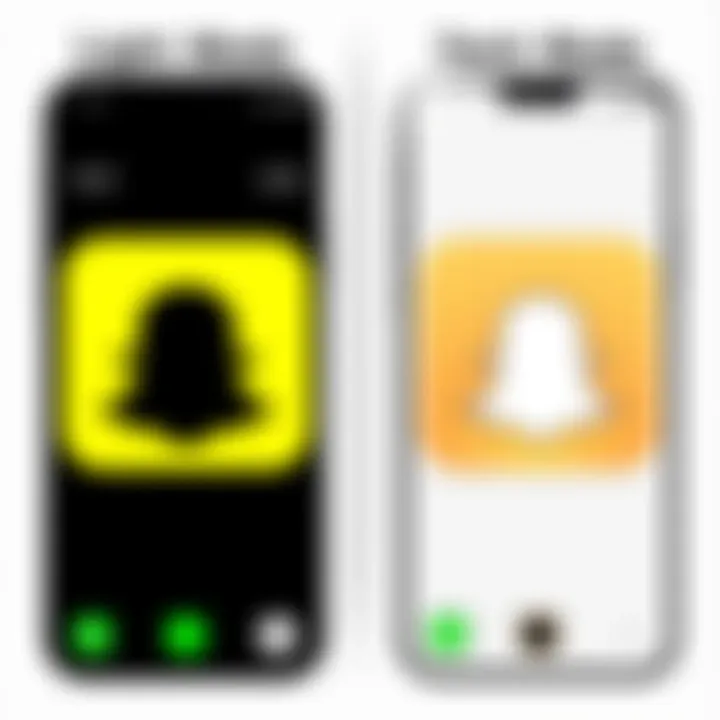
One of the primary reasons people gravitate toward dark mode is the reduction of eye strain. It's common to stare at screens for prolonged periods, whether scrolling through snaps or chatting with friends. Bright backgrounds can lead to discomfort, especially in low-light environments. Dark mode offers a softer visual experience, making it easier on the eyes, particularly during those late-night scrolls when even a sliver of brightness feels blinding.
For example, switching to dark mode can decrease the blue light emission from screens, something that researchers have linked to disrupted sleeping patterns. Moreover, with dark mode, you can enjoy your conversations or media without squinting or experiencing fatigue. The contrast between the text and the background can actually be less taxing, allowing for smoother reading and viewing sessions.
Improved Battery Life on OLED Screens
Another significant advantage of using dark mode—especially for users with OLED screens—is the enhancement in battery life. In practical terms, when a OLED screen displays black or dark colors, the individual pixels are turned off or use significantly less power. This means that not only is your screen less likely to strain your eyes, but you also linger longer on Snapchat without worrying about the battery draining faster than a leaky bucket.
Many users have reported noticing a substantial difference in their device's battery performance when using dark modes compared to traditional light settings. Keeping your snaps alive longer can be a breath of fresh air during those long hangouts or while waiting in line. If you think about it, choosing dark mode is like giving your battery a little extra pep for more snaps and stories.
Enhanced Aesthetic Appeal
There’s something undeniably appealing about a well-designed dark interface. Aesthetic appeal plays a significant role in user engagement, and dark mode can elevate the visual charm of Snapchat. The vibrant colors of snaps stand out against the black or gray background, creating a captivating contrast that draws the eye. This enhancement can lead to a more immersive experience, making each snap feel more alive and dynamic.
Furthermore, many users find dark mode to lend a more sophisticated vibe to the app. Just like wearing a classic black outfit, everything looks a bit sharper and more refined. It's a choice that resonates especially well with the tech-savvy crowd, who appreciate the seamless blend of style and functionality.
"Choosing dark mode is not just a matter of aesthetics; it shows a keen understanding of our digital habits and needs in today’s tech-centric world."
Overall, the benefits of using dark mode on Snapchat extend far beyond mere preference. From reducing eye strain and enhancing battery life to elevating the aesthetic elements of the app, it’s clear that dark mode enriches the user experience in significant ways.
Potential Issues with Dark Mode
When diving into the world of dark mode on Snapchat, it’s essential to weigh the pros against the cons. As much as dark mode enhances the aesthetic appeal and lessens eye strain, it can also bring to light a few hiccups. Understanding these potential issues is crucial, especially for the tech-savvy crowd who appreciate a seamless experience. Here are some noteworthy elements and considerations.
App Compatibility
Dark mode might seem like a simple switch, but the reality is that not all devices or operating systems play nicely with it. If your version of Snapchat is outdated, you might find that the dark mode feature doesn’t appear at all. Additionally, older devices with limited hardware might struggle to support this feature, leading to annoying glitches or crashes.
Some users report that dark mode can negatively impact specific functionalities, such as certain filters or augmented reality effects, which were designed primarily for light mode.
To avoid running into these compatibility issues:
- Always keep the app updated. Regular updates often bring performance improvements and bug fixes.
- Check your device's operating system version; a newer version could be necessary for smooth operation.
- Consider reviewing Snapchat’s support page or forums to see if others have encountered similar compatibility problems.
User Experience Feedback
User feedback on dark mode is mixed. Many enjoy the reduced glare, but some find the initial transition unsettling. Users have reported that certain colors seem less vibrant in dark mode, which can be a dealbreaker for those who enjoy creative expression through colorful snaps.
Especially for users who rely on contrast for readability, dark mode may make some text hard to decipher, particularly if individuals also have any visual impairments. In this situation, it’s critical to gather insights from the Snapchat community.
Platforms like Reddit often host discussions where users share their experiences, both good and bad, regarding the dark mode feature. Browse discussions on sites like reddit.com to see real user testimonials. Understanding how others feel about the feature might help in making an informed decision.
Possible Solutions for Common Problems
If you’re experiencing any issues with dark mode, don’t fret. There are often simple fixes to common problems:
- Toggle Back and Forth: Sometimes a quick toggle between light and dark modes can reset any glitches. Navigate to the app settings and switch back to light mode, then back to dark mode.
- Reinstall the App: If problems persist, deleting and reinstalling Snapchat can resolve inconsistencies, as it provides a clean slate.
- Adjust Display Settings: On some devices, the overall system display settings might interfere. Dive into your device's display settings and make sure everything aligns with dark mode preferences.
In addition, the younger generation tends to be more adaptive to updates and solutions provided by the developers. Keeping an eye on Snapchat’s official channels for any potential future fixes or updates can also be a good strategy.
In summary, while dark mode presents a more visually comfortable experience, it is not without its pitfalls. Knowing how to navigate these and adjust your settings can keep your Snapchat experience enjoyable and frustration-free.
Comparative Analysis with Other Social Media Platforms
In the crowded arena of social media, where users quickly become accustomed to new features, dark mode has emerged as a prominent consideration for many platforms. While Snapchat has made steps to incorporate this feature, assessing how it stacks up against its competitors unveils interesting insights. For consumers, understanding the dark mode alternatives provided by different platforms enhances informed decision-making.
Dark Mode Alternatives in Social Media
Several social media giants have recognized the demand for a more visually comfortable experience, leading them to adopt dark mode. Instagram, for example, rolled out its dark mode feature, which aligns closely with Snapchat's implementation. Users appreciate how both platforms prioritize aesthetic coherence when switching to darker hues.
- Instagram: Transitioning to dark mode on Instagram also involves a straightforward process. Users mostly toggle the setting through their device, like with Snapchat. The contrast of images against darker backgrounds lessens the strain on the eyes during late-night scrolling.
- Facebook: Facebook's dark mode reflects a commitment to enhance user comfort, particularly during the hours when users typically engage with the app.
- Twitter: Twitter offers a fan-favorite, called "Lights Out," which completely turns the background to black. This completion provides maximum battery savings on varying screen types, especially on OLED displays.
From a functional perspective, Snapchat's counterparts demonstrate similar functionality with varying degrees of customization. The integrations of these settings highlight competition among platforms to create a user-centered design while promoting healthier usage patterns, particularly in dimly lit environments.
User Preferences and Trends
As more applications pivot to embrace dark mode, user preferences are shaping the future of app design significantly. Surveys suggest a strong favorability towards dark themes, leading many companies to gauge user sentiment actively.
Research conducted by sites like Reddit reveals that roughly 70% of users prefer dark mode to light themes, not only for its aesthetics but also for its comfort. Users affirm the reduced glare and improved readability as essential factors, especially for those with sensitive eyes. Additionally, with mobile device usage skyrocketing primarily in the evening, this ongoing trend only enforces the necessity for apps like Snapchat and others to align with user expectations.
- Enhanced Comfort: Many users articulate discomfort when using light modes for extended periods, fueling a cultural push towards darker designs.
- Battery Life: Continuous discussions about battery conservation heighten the allure of dark mode, particularly among those who often find themselves away from charging outlets.
- Aesthetic Preference: Dark themes often lend a more sophisticated feel, appealing to a demographic that values design as much as usability.
This blend of aesthetics and functionality underlines the overarching trend — there is no going back. The allure of dark mode has transformed from preference to expectation.
In sum, while Snapchat has efficiently integrated dark mode into its user experience, the broader comparative analysis reveals both shared functionalities and emerging preferences across social media platforms. These insights can serve as a guide for future updates and features — both for Snapchat and its contemporaries, ensuring that they stay ahead in the digital landscape.
Finale
As we draw the curtain on our discussion about dark mode activation in Snapchat, it's essential to recognize the relevance and implications of this feature. Dark mode isn't just about a snazzy look; it fundamentally alters the way users interact with their screens, making digital navigation a less taxing experience for the eyes, especially during low-light conditions. By minimizing glare, dark mode helps maintain focus on content while preserving battery life, particularly on devices with OLED screens.
Recap of Dark Mode on Snapchat
To summarize, activating dark mode on Snapchat is a straightforward process that enhances user experience significantly. For both iOS and Android users, the procedure involves merely accessing the app settings and making a few selections. Notably, this feature supports the user’s search for comfort in digital interactions, countering the bright light that can often feel intrusive or harsh. Here’s a quick recap of the steps:
- For iOS Users:
- For Android Users:
- Access the app settings through your profile.
- Navigate to display options where you can toggle the dark mode.
- Confirm your selection and enjoy a refreshed interface.
- Head into the settings menu of the Snapchat app.
- Modify your theme preferences to enable dark mode.
- Verify your changes for a seamless transition.
In a nutshell, activating dark mode on Snapchat not only makes your feed more visually appealing, but it also fosters a more sustainable way of using your device, one that aligns well with the growing emphasis on eye health in our digital world.
Final Thoughts on Digital User Experience
In viewing our digital landscape, it becomes crystal clear that user experience should take precedence. With a bustling array of applications, dark mode stands out as a user-friendly feature that unequivocally enhances interactions. By adopting such modes, platforms like Snapchat recognize the essential balance between aesthetics and functionality.
In the broader context of digital applications, dark mode serves as emblematic of evolving user expectations. Users are increasingly leaning toward features that cater to comfort and efficiency. Thus, Snapchat's integration of dark mode isn't just a trend, but rather a nod to a future where usability takes center stage. It's a crucial step in acknowledging the varying needs of its user base, responding to preferences and encouraging a more thoughtful design approach.
As we persist in navigating the digital sphere, embracing features that enhance comfort not only enriches our experiences but reinforces the importance of user-centric development in technology. For those who haven't yet dived into the dark mode experience, now's the time to make that switch and elevate your Snapchat journey.